
Natural diamonds or lab-grown diamonds for engagement rings?
Choosing a diamond for an engagement ring is an important decision, and today, couples have more options than ever before. Among these options, the choice between a natural diamond and a lab-grown diamond (synthetic diamond) often raises questions. Both types of diamonds offer unique characteristics, but they differ in several essential aspects. In this article, we will compare natural and lab-grown diamonds to help you make an informed choice for your engagement ring.
Origin and formation process
The first major difference between natural and lab-grown diamonds lies in their origin and formation process.
- Natural diamonds: Natural diamonds are formed deep within the Earth, under extremely high pressure and temperature, over billions of years. They are extracted from mines around the world, often in regions such as Africa, Russia, and Canada. This long natural formation contributes to their rarity and value.
- Lab-grown diamonds: Lab-grown diamonds, also known as synthetic diamonds, are produced in a few weeks. Two main methods are used: the HPHT (High-Pressure High-Temperature) method and the CVD (Chemical Vapor Deposition) method. These processes replicate the conditions for natural diamond formation, but in much less time.
To learn more about the differences between natural and lab-grown diamonds, Forbes offers detailed articles on trends and innovations in the gemstone field.
Appearance and quality
Aesthetically, it is virtually impossible to distinguish a natural diamond from a lab-grown diamond with the naked eye, as they share the same optical properties.
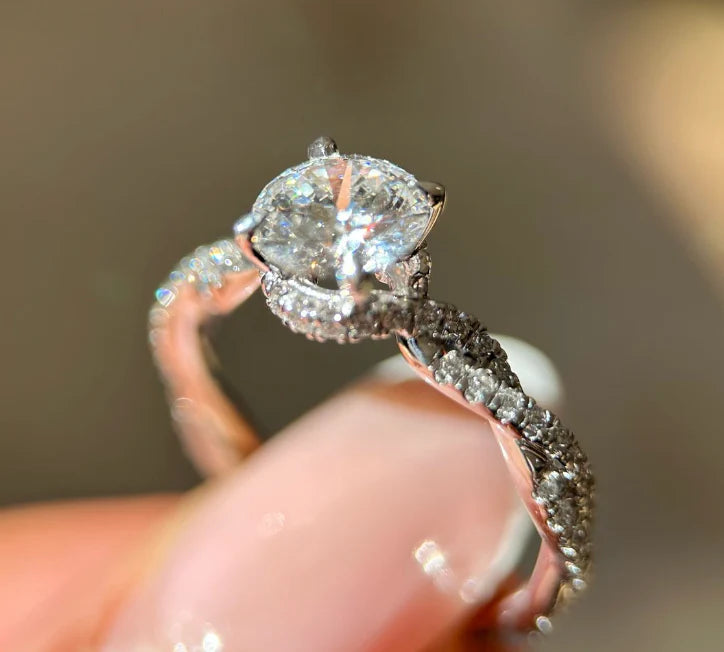
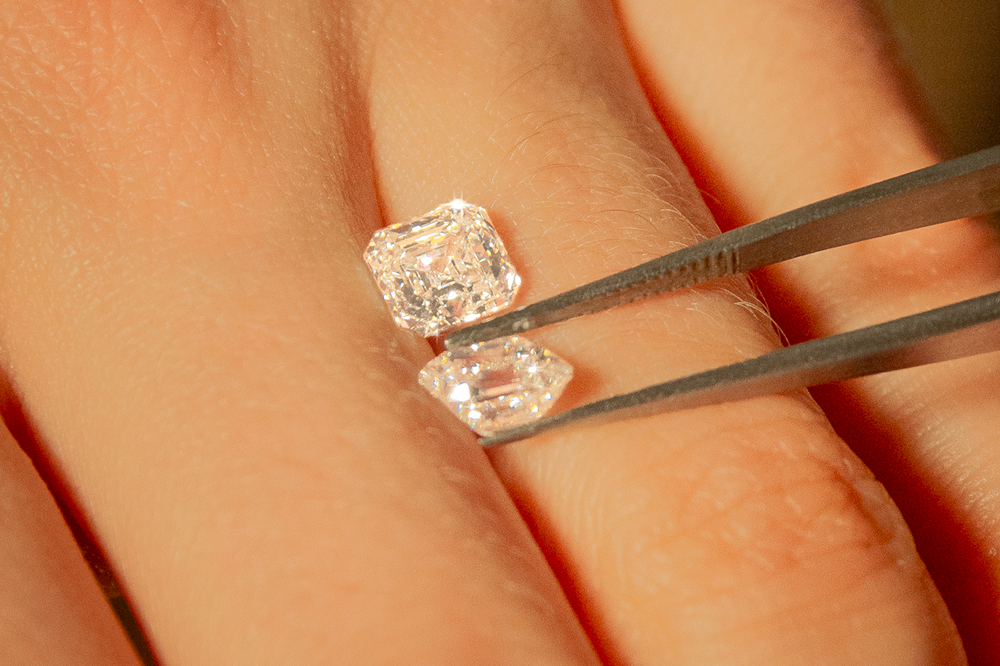
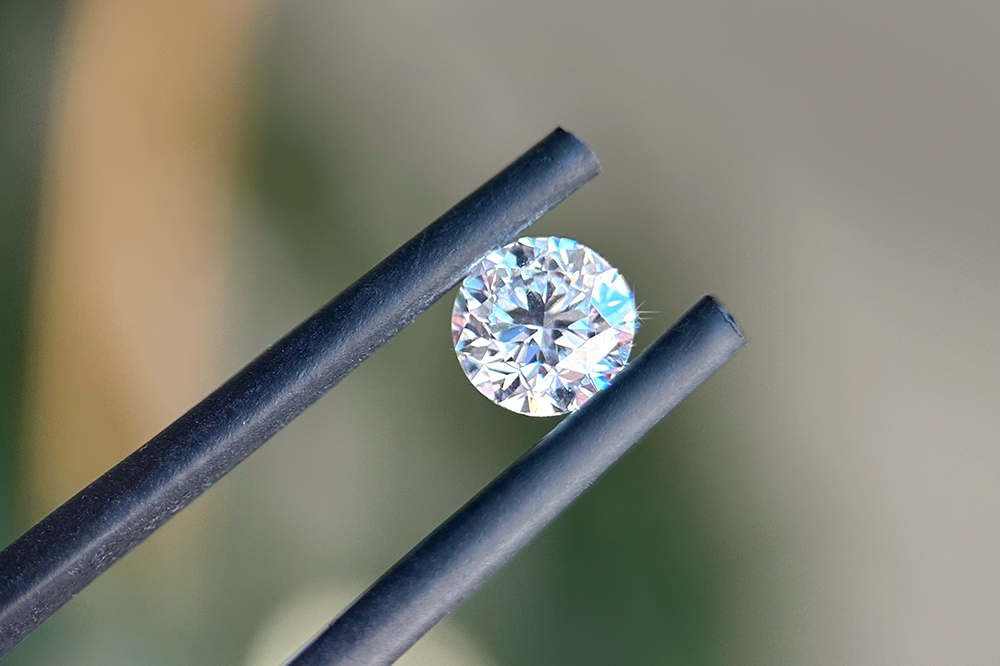
- Appearance: Both types of diamonds are visually identical, with the same brilliance, transparency, and sparkle. Whether you choose a natural or lab-grown diamond, the quality of the cut and finish will play a crucial role in the final appearance of the stone.
- Quality: Lab-grown diamonds can be produced under nearly perfect conditions, meaning they may have fewer inclusions (internal impurities) than natural diamonds. However, some buyers prefer the minor imperfections of natural diamonds, which add a touch of uniqueness to each stone.
Cost and value
Cost is one of the decisive factors when choosing between a natural and a lab-grown diamond.
- Natural diamonds: Due to their rarity and long formation, natural diamonds are generally more expensive than their synthetic counterparts. They are also often perceived as having greater long-term value, as they are considered lasting investments.
- Lab-grown diamonds: Lab-grown diamonds are less expensive to produce, which translates into a generally lower price. For the same budget, you can often get a larger lab-grown diamond than a natural diamond. However, their resale value is lower than that of natural diamonds, sometimes almost nil.
For a comparison of prices and options, James Allen offers a wide selection of natural and lab-grown diamonds, allowing customers to make the right choice.
Ethical and environmental considerations
Another important aspect to consider is the environmental and ethical impact of choosing a diamond.
- Natural diamonds: The extraction of natural diamonds can have significant environmental consequences, and in some regions, it is associated with ethical issues, particularly "conflict diamonds." However, initiatives like the Kimberley Process have been implemented to ensure that diamonds come from ethical sources, notably through certification bodies. In Europe, it is now extremely rare to find "conflict diamonds."
- Lab-grown diamonds: Lab-grown diamonds are often considered a more ethical and environmentally friendly alternative because their production does not involve mining as they are created in laboratories. However, the production of these diamonds is very energy-intensive, requiring extreme temperatures and pressures (HPHT) or intense energy to break down carbon gas (CVD). According to some reports, such as that from the International Gem Society, they require a large amount of energy to be produced (often from non-renewable sources) to reach extreme temperatures and pressures. On average, the production of one carat of lab-grown diamond emits approximately 511 kg of greenhouse gases, which is more than three times the 160 kg emitted for one carat of natural diamond. These data raise questions about the true sustainability of lab-grown diamonds despite their ecological perception.
Tips for choosing between a natural and a lab-grown diamond
When choosing between a natural diamond and a lab-grown diamond, consider the following factors:
- Budget: If your budget is limited but you want a large diamond, a lab-grown diamond could be a good option.
- Long-term value: If you consider your engagement ring a long-term investment, a natural diamond may be more appropriate due to its rarity and potentially higher resale value.
- Personal preferences: Some prefer the idea of a natural diamond for its history and connection to the Earth, while others prefer a lab-grown diamond for its environmental and modern character.
Conclusion: which type of diamond to choose for your engagement ring?
The choice between a natural diamond and a lab-grown diamond depends on your personal priorities, budget, and values. Both types of diamonds offer exceptional beauty and unique qualities, but it is essential to understand the differences to make an informed choice. In Strasbourg, our jewelry store offers personalized support to help you choose the diamond that best meets your expectations, whether you opt for a natural or lab-grown diamond. Book an appointment with one of our experts to learn more about our custom engagement rings and to discover all available options.